Wasps
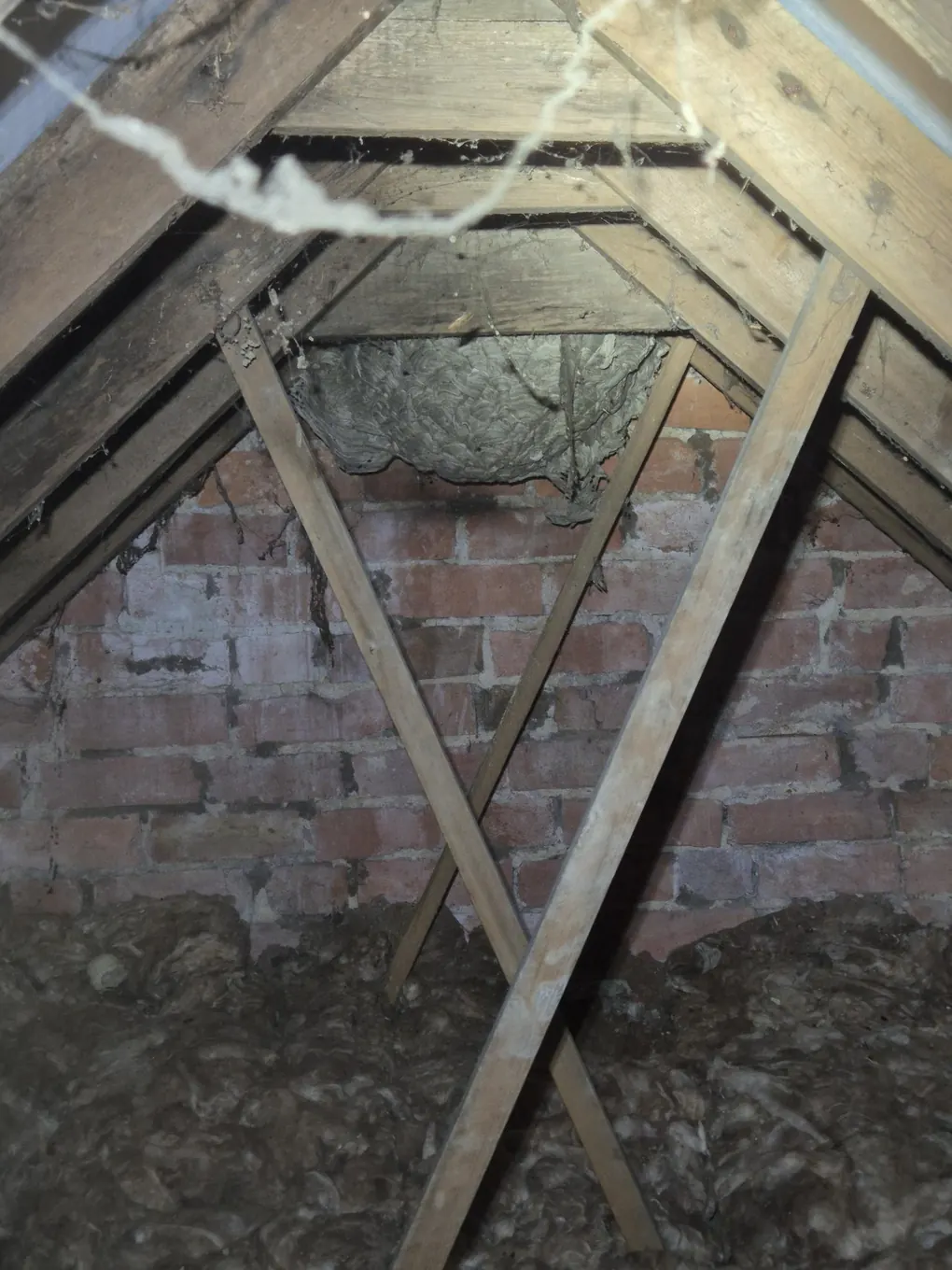
Wasps are probably the least liked of all British insects. In fact they do not normally sting unless they are attacked or frightened, but a nest near a door, window or play area is a real risk, especially for anyone allergic to stings.
The wasp year
In spring, a queen who has hibernated over winter finds a nest site and starts building, laying eggs and feeding the grubs. By early summer there are enough workers to take over and the queen just lays eggs. The nest keeps growing, and by late summer it can hold several thousand wasps and be the size of a football. New queens then leave to hibernate, the colony dies off in autumn, and the old nest is not used again.
How we treat wasp nests
We treat the nest with a professional insecticide applied at the entrance, so returning wasps carry it inside. Activity usually drops off within a few hours and the nest dies within a day or two. In most cases the empty nest does not need removing. Where a standard treatment is not suitable, such as a nest beside a fish pond, we can carry out a live extraction.
Block the nest entrance or try to knock the nest down. Wasps will defend it aggressively and may find another way into the house.
Bees
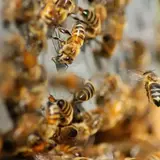
Bees are closely related to wasps and ants, but they are in decline and play a vital role as pollinators. We do not destroy honey bee colonies. Instead we carry out live extraction and rehoming with local beekeepers. Bumblebees are usually best left alone, and will leave at the end of the season.
Wasp or bee?
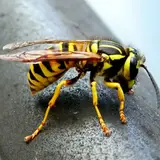
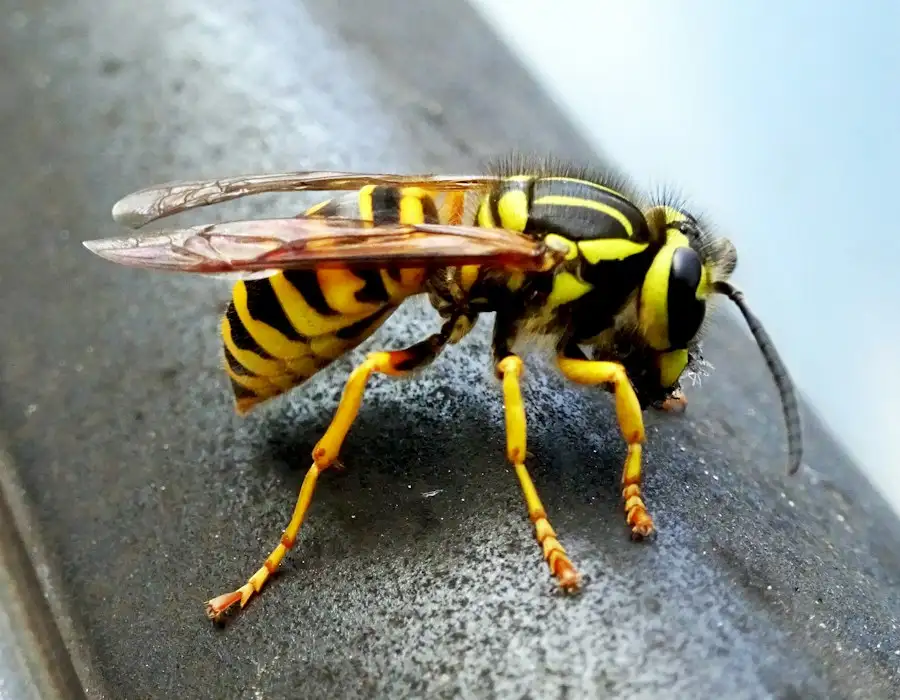
- Wasps are bright yellow and black, smooth and shiny, with a narrow waist. Nests are made of a grey, papery material.
- Honey bees are smaller, golden brown and slightly hairy. Nests are made of wax comb.
- Bumblebees are large, round and very furry, often with white or orange tails.
Frequently asked questions
Do you need to remove the nest?
Usually not. Once treated, the colony dies off and the nest is not used again. We remove nests where they are causing a problem or are easy to reach.
How long does the treatment take to work?
Activity normally drops within a few hours and the nest dies within a day or two. Keep doors and windows near the nest closed in the meantime.
Can I treat a wasp nest myself?
Shop-bought products exist, but disturbing a nest can provoke a mass attack. For your safety, and especially if anyone in the house is allergic to stings, we recommend a professional treatment.