Woodworm
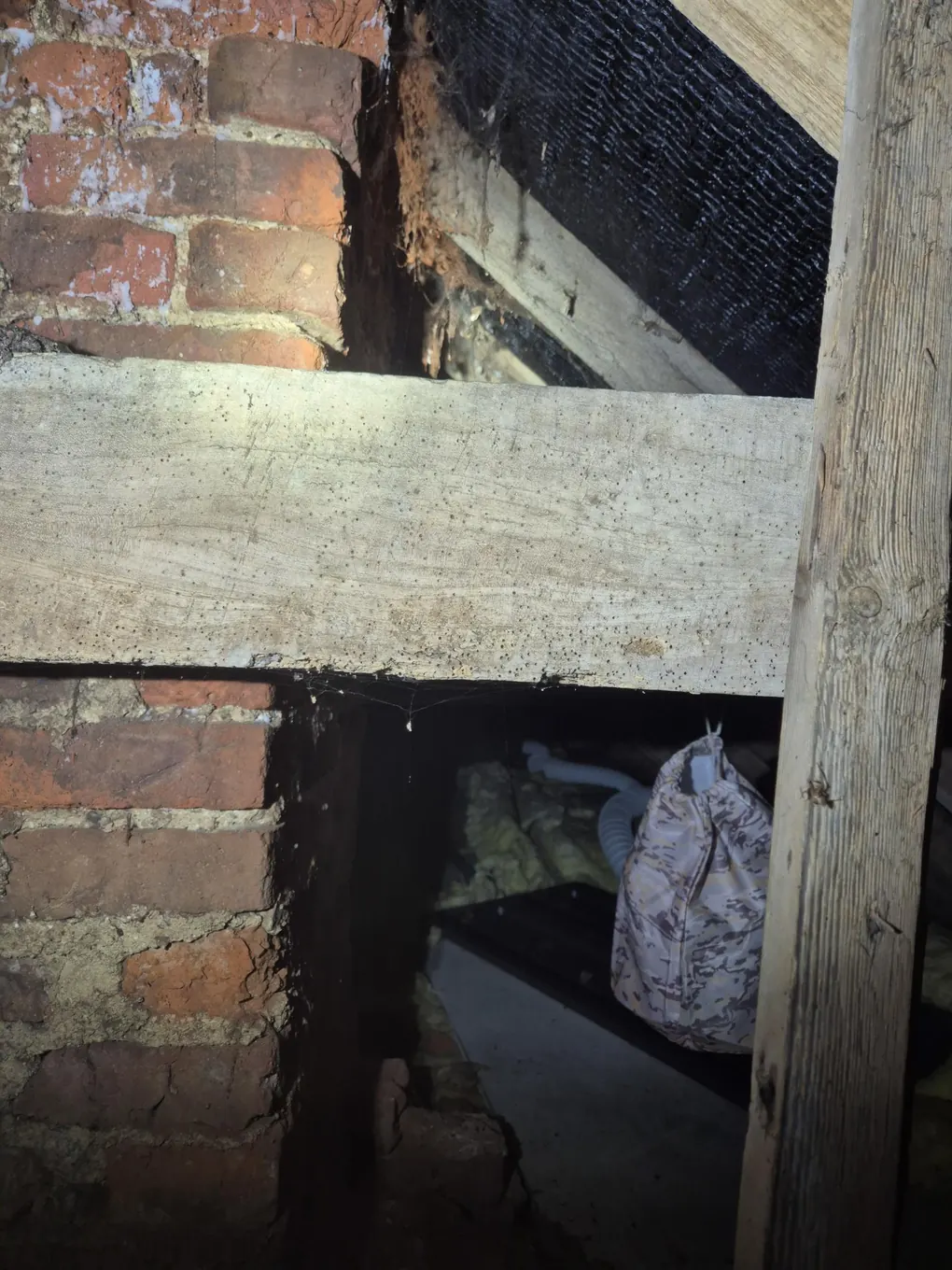
Woodworm is the name for timber damaged by the larvae of wood-boring beetles. In UK homes it is most often the common furniture beetle. Adult beetles lay eggs on or just under the surface of the wood. The grubs tunnel through it for several years, causing structural and cosmetic damage, before emerging as beetles and starting the cycle again.
Signs of woodworm
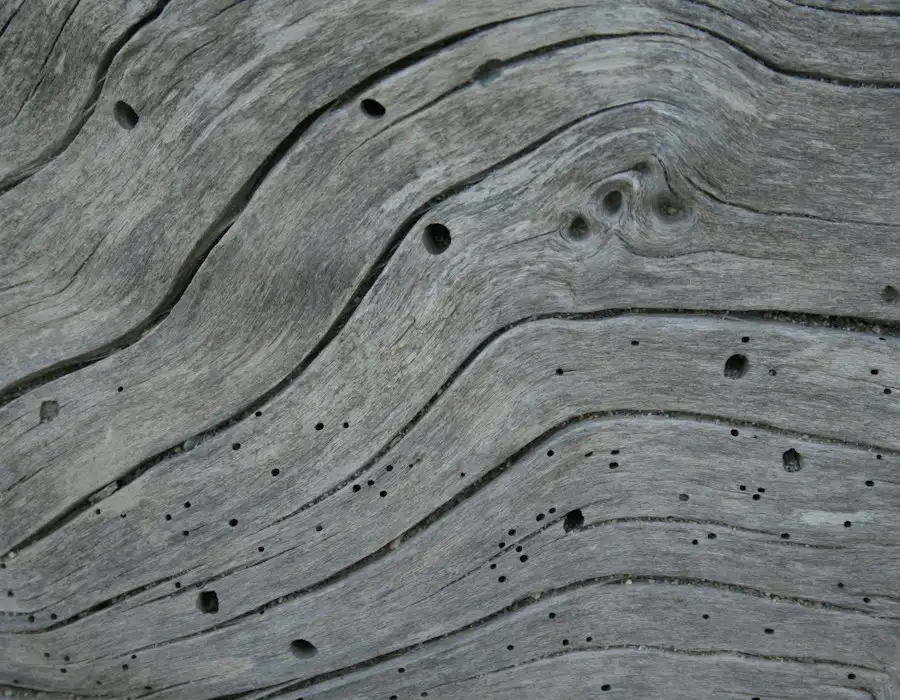
- Small round exit holes, typically 1 to 2mm across
- Fine, pale bore dust (frass) below the holes, which means the infestation is active
- Crumbly edges to boards and joists
- Adult beetles near windows in summer
Why damp matters
Most wood-boring larvae need timber with a higher moisture content than you normally find in a dry, heated home. A woodworm problem in roof timbers, floors or furniture often means there is a damp issue too, such as poor ventilation in a roof space, cellar or under a suspended floor.
How we treat woodworm
We first confirm whether the infestation is active, since old holes with no fresh dust may need no treatment at all. Active infestations are treated with a professional insecticide applied to the affected timber. We will also point out any damp or ventilation problems, because timber that stays damp can be re-infested later.
Silverfish
Silverfish are small, wingless insects with a silvery, carrot-shaped body and three long tail bristles. They are active at night and dart away when disturbed. They feed on starchy materials such as paper, wallpaper paste, book bindings and food crumbs.
Silverfish do not bite or spread disease, but they are a nuisance and a sign of high humidity. Improving ventilation and reducing moisture in bathrooms, kitchens and lofts makes a big difference. For persistent problems we can treat the areas where they are hiding.