Gulls
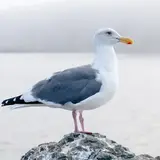
Gulls do not only live on the coast. They nest on rooftops well inland and defend their nests aggressively, diving at anyone they see as a threat to their young. Their droppings, noise and behaviour around nest sites make them a health and safety risk, particularly on commercial and industrial buildings.
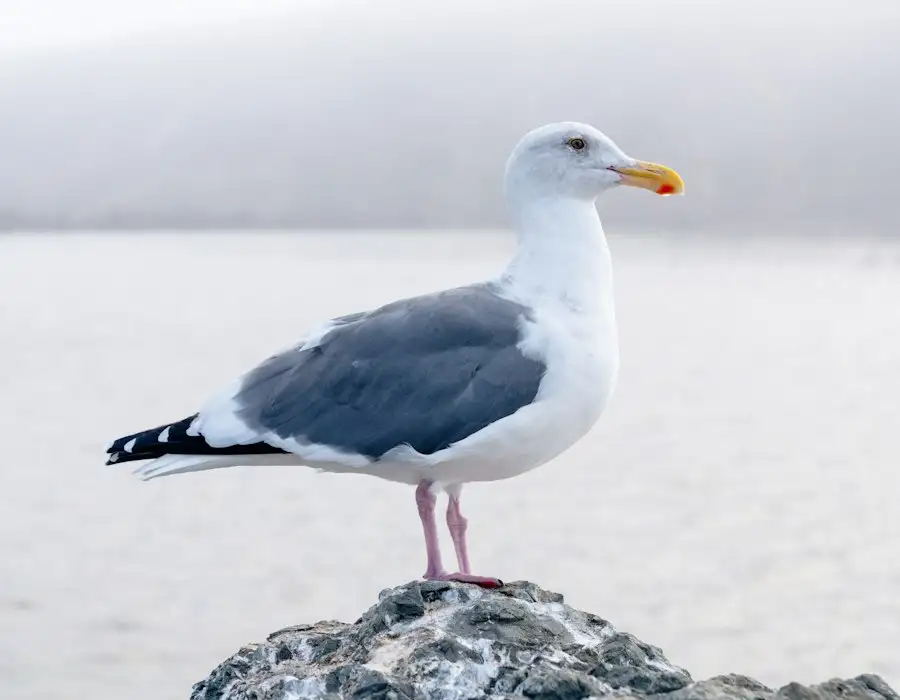
The herring gull is the bird most people mean when they say "seagull", and it is the most common gull around the UK.
How we deal with gulls
We proof buildings once gulls have finished nesting and left the site. Depending on the roof, that can mean blocking access points, netting, sprung wire systems or other deterrents that stop birds landing and nesting. On larger sites, a hawk can be used as a deterrent to encourage gulls to nest elsewhere.
Pigeons
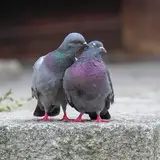
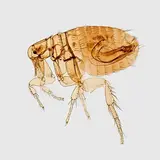
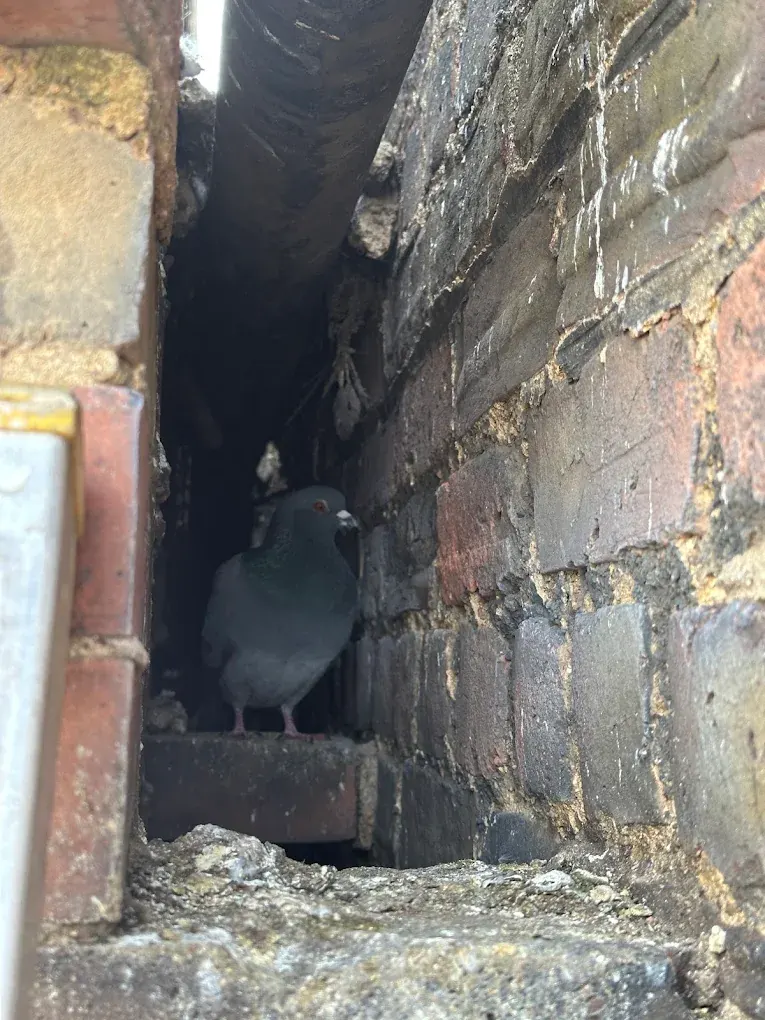
Feral pigeons become a problem when they roost or nest on your property. They are not aggressive like gulls; the main problem is their droppings. Fouling attracts insect pests, can spread infection and makes surfaces slippery and dangerous when wet. Pigeons also carry mites and fleas.
In buildings left unchecked, fouling can build up to a serious depth. As well as proofing, our work includes removing and properly disposing of all fouling and disinfecting the area, leaving your property clean and protected.
How we deal with pigeons
The answer is usually to stop pigeons roosting on the building. We have a range of deterrents, and what works best depends on the scale of the problem and where the birds are settling:
- Netting for larger areas such as loading bays and courtyards
- Spikes and sprung wire for ledges and parapets
- Mesh around solar panels
- Proofing of holes and access points into roof spaces
All wild birds are protected under the Wildlife and Countryside Act 1981. Proofing is planned around the nesting season so active nests are not disturbed.